

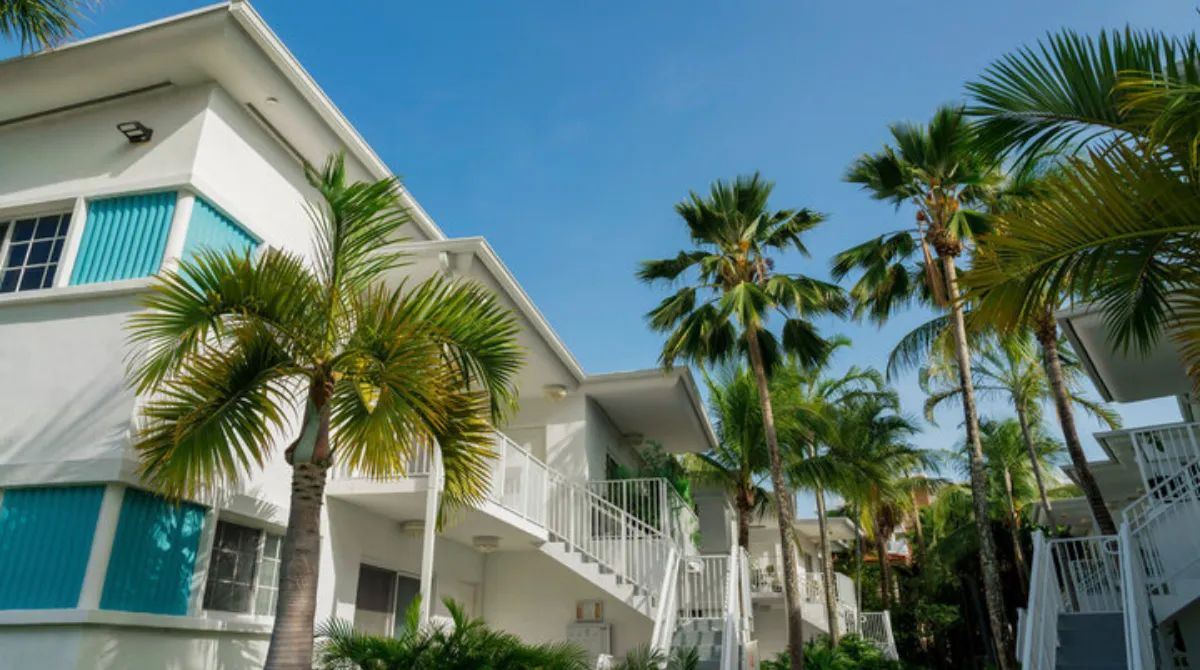
Miami real estate in 2026 remains a compelling option for buyers, but success depends on choosing the right property, neighborhood, and financial strategy. The market has become more selective, financing costs remain a consideration, and condos require careful review of building finances, reserves, insurance, and structural condition.
Buyers considering Miami, Silver Bluff, Miami Beach, Shenandoah, South Miami, Coral Gables, Coconut Grove, Pinecrest, Gables Estates, or Snapper Creek can benefit from neighborhood-specific insight before making a decision. The Azar Team offers local neighborhood guidance, current property opportunities, and new-construction expertise to help buyers evaluate opportunities across these markets.
What Does the Miami Real Estate Market Look Like in 2026?
Current market conditions suggest that Miami-Dade real estate remains active without showing signs of being broadly overheated. Home sales have continued to gain momentum, with both single-family properties and condos seeing stronger activity compared with the previous year.
Prices have also remained relatively resilient, while available listings have tightened in parts of the market. That combination matters because steady buyer demand and limited supply can create a more competitive environment, particularly for well-located single-family homes.
Is 2026 a Good Time to Buy a Miami Home?
For a long-term buyer, 2026 can be a reasonable entry point—but not because prices are guaranteed to rise.
The current market rewards buyers who focus on property quality, location, financing, insurance, taxes, and resale appeal rather than trying to perfectly time the market.
Miami Realtors expects South Florida single-family price appreciation to remain modest, below 2% in 2026, as affordability limits how quickly prices can increase.
That creates a different opportunity than the rapid appreciation environment of earlier years.
| Buyer situation | 2026 approach |
| Long-term homeowner | Favor quality and location over short-term timing |
| Luxury buyer | Compare properties carefully; negotiation can matter |
| Condo buyer | Review reserves, assessments and building condition |
| Investor | Underwrite expenses and realistic rental income first |
Why Single-Family Homes Deserve Attention
Single-family inventory is considerably tighter than condo inventory.
In June 2026, Miami-Dade had approximately 4.9 months of single-family supply, compared with 12.3 months for existing condominiums. That indicates a seller-leaning environment for single-family homes and a buyer-leaning environment for condos.
For buyers considering Coral Gables, Coconut Grove, Silver Bluff, South Miami, Pinecrest, Gables Estates, or Snapper Creek, the practical takeaway is to evaluate each property individually. A well-located, well-maintained house can behave very differently from an older property requiring substantial capital improvements.
The same principle applies to Miami Beach and Shenandoah: neighborhood reputation alone is not enough. Lot characteristics, construction quality, flood exposure, insurance costs, renovation requirements, and future resale demand should all enter the decision.
What About Buying a Miami Condo in 2026?
Condos require more careful due diligence in today’s Miami market. Greater inventory compared with single-family homes can create more opportunities for buyers, including the potential for stronger negotiation on well-selected properties.
That does not automatically make condos a poor investment. The right building, location, financial position, and purchase terms can still make a condo an attractive option, particularly for buyers with a long-term ownership strategy.
Florida condominium regulations also place greater emphasis on structural integrity, reserve funding, and building maintenance. Before making an offer, buyers should review the association’s financial records, reserve information, inspection reports, insurance coverage, pending assessments, and maintenance history.
A seemingly attractive purchase price can become costly when a building has significant deferred maintenance or unfunded financial obligations.
Which Miami Areas Make Sense for Buyers?
There is no universally “best” neighborhood. The right choice depends on the buyer’s priorities.
- Coral Gables: suited to buyers seeking established residential character and access to premium single-family housing.
- Coconut Grove: attractive for buyers prioritizing lifestyle, greenery, and proximity to waterfront-oriented amenities.
- Silver Bluff: worth considering for buyers interested in newer homes and a central residential location.
- South Miami: offers a balance of residential living, accessibility, and proximity to major institutions.
- Pinecrest: particularly relevant to buyers seeking larger lots, privacy, and estate-style properties.
- Miami Beach: requires especially careful evaluation of building condition, insurance, flood considerations, and condo finances where applicable.
- Shenandoah: appeals to buyers seeking centrally positioned residential property with a mix of established and newer homes.
- Gables Estates and Snapper Creek: should be evaluated at the individual-property level because luxury estate purchases depend heavily on land, construction, privacy, and location-specific characteristics.
The Azar Team’s new-construction resources can also help buyers compare newly built properties with resale homes.
Common Mistakes Miami Buyers Should Avoid
Buying solely because you expect appreciation. No market moves in a straight line.
Ignoring the total ownership cost. Mortgage payments are only one part of the budget. Insurance, property taxes, maintenance, HOA expenses, renovations, and assessments can materially change affordability.
Treating every condo the same. Two buildings in the same area can have very different financial and structural profiles.
Skipping inspections on new construction. A new home can still have construction defects or incomplete work.
Focusing only on asking price. Comparable sales, property condition, days on market, seller motivation, and future resale appeal all matter.
So, Is Miami Still a Good Place to Buy Real Estate in 2026?
Miami remains an appealing market for buyers who take a thoughtful, property-specific approach. Strong demand, desirable neighborhoods, and limited availability of certain property types continue to support the market, while affordability, financing, insurance, and condo-related costs require careful consideration.
For a primary residence or long-term investment, buyers should focus on the factors they can evaluate rather than trying to predict short-term market movements. Choosing the right neighborhood, understanding the full cost of ownership, comparing similar properties, and completing thorough due diligence can help create a more confident buying decision.
Finding the Right Opportunity in Miami Real Estate
Miami remains a compelling real estate market in 2026, but selectivity is the advantage. Whether you’re considering a single-family home in Coral Gables or Pinecrest, a new construction opportunity in Silver Bluff or Coconut Grove, or a condo in Miami Beach, the property-specific numbers matter.
If you’re considering buying in Miami or one of the surrounding target neighborhoods, connect with The Azar Team to discuss your goals, preferred area, and current opportunities.
FAQs
1. Is Miami real estate expected to go up in 2026?
Current Miami-Dade data shows continued sales growth and limited single-family inventory, while forecasts call for relatively modest price appreciation. Buyers should not assume every property will appreciate at the same rate.
2. Is 2026 a good year to buy a house in Miami?
It can be, particularly for buyers with a long-term horizon and a property that fits their budget and needs. The best opportunity depends more on property quality, location, financing, and negotiation than on trying to predict the exact market bottom.
3. Are Miami condos a good investment in 2026?
Some condos may offer attractive buying opportunities because buyers have more inventory and negotiating leverage. However, association reserves, assessments, insurance, building condition, and financing eligibility should be carefully reviewed first.
4. Which Miami neighborhoods are worth considering in 2026?
Coral Gables, Coconut Grove, Silver Bluff, South Miami, Pinecrest, Miami Beach, Shenandoah, Gables Estates, and Snapper Creek each offer different property types and lifestyle characteristics. The best fit depends on your budget, intended use, and preferred housing type.
5. Should I buy a new construction home in Miami?
New construction can reduce some maintenance concerns and provide modern design and building features, but buyers should still review the builder contract, timeline, inspections, warranties, and total costs before purchasing.
6. What should I check before buying Miami real estate?
Review comparable sales, property condition, insurance costs, taxes, financing, flood-related considerations, and anticipated maintenance expenses. For condos, also examine association finances, reserves, assessments, inspection documentation, and building maintenance history.